
Sew Your First Garment With Clear Steps
GarmentSew keeps early clothing projects practical: read the pattern, prepare the fabric, sew controlled seams, press each step, and check the fit before finishing.
FABRIC GRAIN
Learn how selvage, grainline, and fabric layout affect cutting before the first seam is sewn.
SEAM CONTROL
Practice guiding fabric under the presser foot while keeping seam allowance steady and visible.
PATTERN MARKS
Turn notches, cutting lines, darts, and size markings into clear actions during construction.
PRESSING STEPS
Use the iron between seams so hems, darts, and joins sit flatter before final finishing.
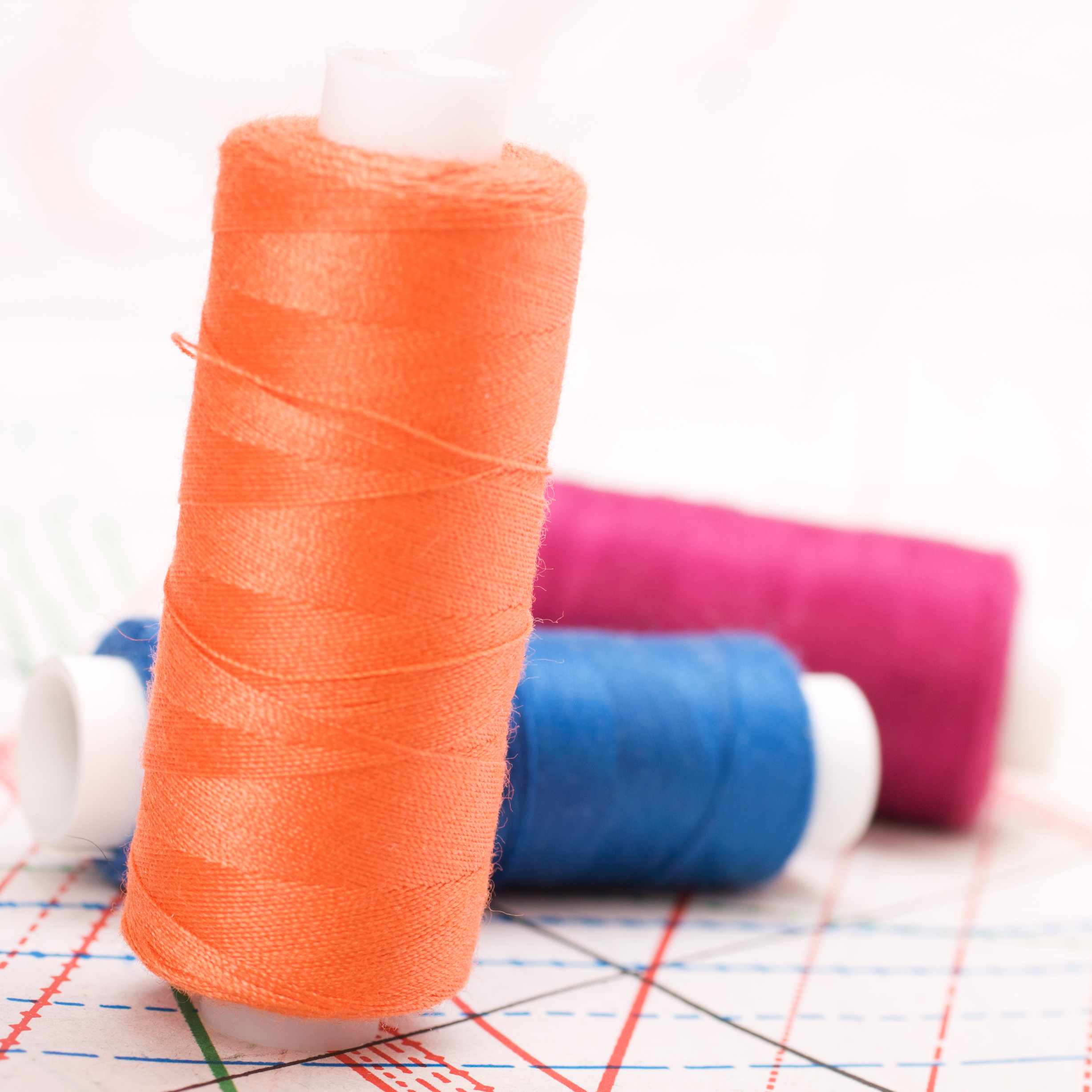
Clothing Sewing Without Rushed Guesswork
The course breaks garment sewing into visible steps: measuring, laying pattern pieces on grain, cutting carefully, stitching samples, pressing seams, and checking alignment before moving on.
Instead of pushing through a whole project at once, learners repeat small actions first, such as straight stitch lines, simple hems, darts, seam finishes, and pinned fit checks.
Practice Areas
MEASURING
Compare body measurements with a size chart before choosing a pattern size.
CUTTING
Place pieces on grain and cut without stretching edges or shifting layers.
THREADING
Set up the needle, bobbin, thread path, and stitch length with less guessing.
HEMMING
Fold, press, pin, and stitch hems so the edge stays calmer and
flatter.
DARTS
Mark dart legs clearly and sew toward the point without heavy puckering.
BASTING
Use temporary stitches to control shifting fabric before final machine sewing.
FITTING
Check tightness, length, and balance before trimming or finishing raw edges.
FINISHING
Practice pressing, seam finishes, closures, and small corrections in order.
Sample seams
Pattern reading
Fit checks
Cleaner hems
A Practical Sewing Approach
GarmentSew focuses on the order that makes clothing projects less confusing: test on scraps, sew small samples, press often, and check each garment piece before the next step.
What Learners Notice

Hideyuki Imai
The fabric scrap exercises helped me slow down before cutting. I finally understood why grainline and seam allowance matter.

Nao Asai
Practicing hems and darts separately made my first garment feel less overwhelming. Pressing between steps changed the finish a lot.
Why This Course Feels Manageable
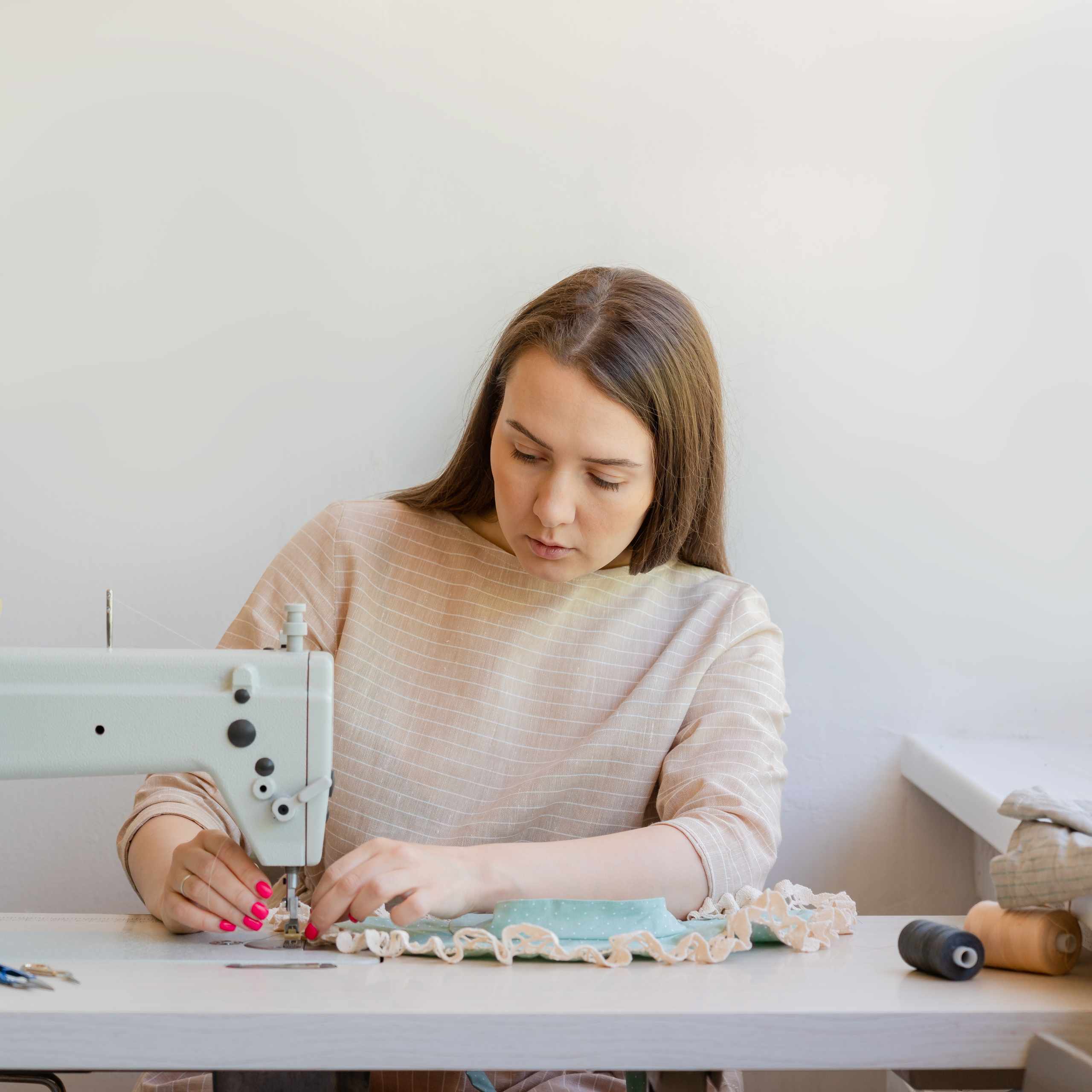
Small sewing actions before full garment pressure.
>> Scrap Testing
Before sewing the real garment pieces, learners test stitch length, thread tension, pressing temperature, and fabric behavior on scraps. This makes mistakes easier to spot before they affect the project.
>> Clear Order
Measuring, cutting, stitching, pressing, fitting, and finishing are treated as separate steps. The course helps learners avoid doing everything at once and losing track of small checks.
>> Mistake Checks
Uneven seams, twisted hems, puckered darts, and shifting fabric are handled as normal learning signals. Learners practice noticing the cause before reaching for the seam ripper.
>> Wearable Focus
Practice stays connected to clothing details people actually sew: waistbands, facings, hems, simple closures, and fit checks. The goal is cleaner organization, not a promise of perfect garments.